RF & Wireless Systems · Hardware
Wireless Irrigation Control System
From farm to park — remote, scheduled, smart irrigation.
Overview
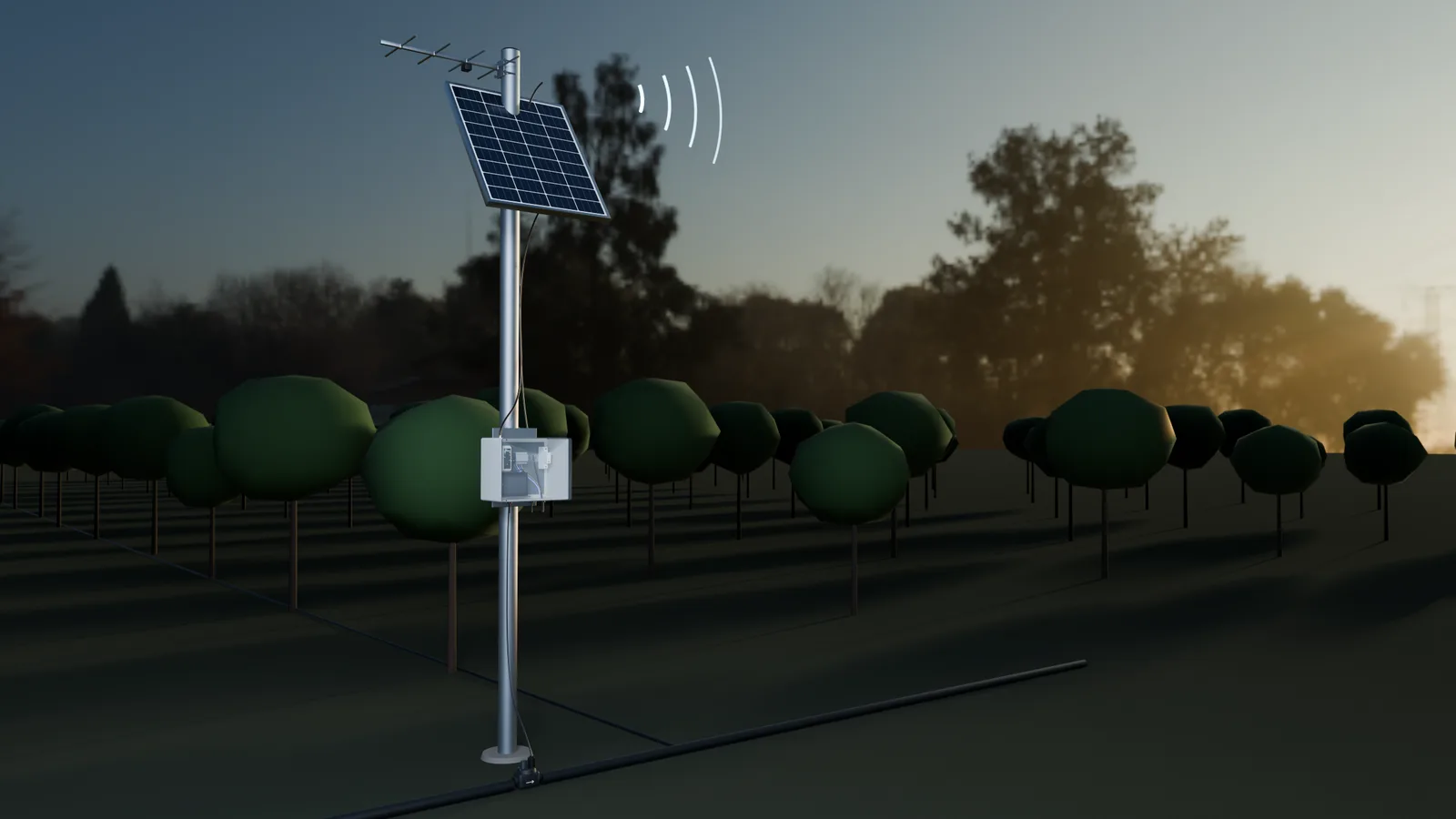
The problem in the field. On large farmland, parks, gardens and golf courses, valves are hundreds of meters to kilometers away from the control point. A wired valve network means trenching, cable theft and rodent damage; decoder systems are expensive and tied to a single brand. Manual irrigation schedules are inconsistent, water and energy waste is high, and pumps fail from dry running and phase faults.
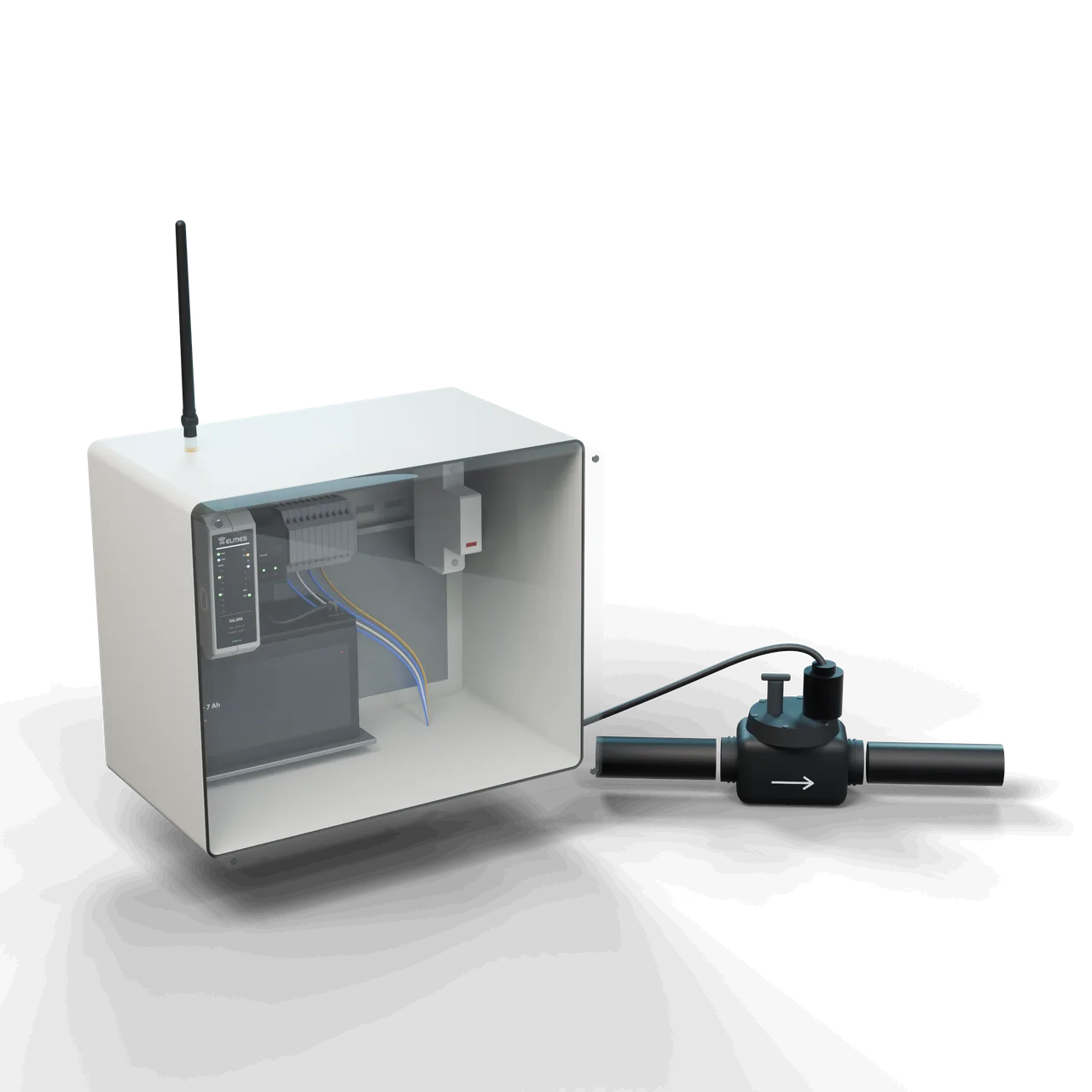
The solution. The Elmes irrigation system manages solar-powered wireless valve/pump nodes from a central unit. Daily, weekly, monthly and yearly programs are defined in the scheduler software; the central unit sends commands to the nodes over RF, and each node opens its valve and confirms its status. A pressure node monitors line pressure; the pump node protects the pump with dry-run and phase protection. Water consumption is logged and analyzed.
Expansion. Soil moisture, temperature/humidity and weather data feed into irrigation decisions; frost warnings and triggering of frost-protection equipment are planned. Target vertical: hybrid AI greenhouse automation — optimizing climate, irrigation and fertigation decisions through sensor fusion and a learning model (together with Telemetry & Process Intelligence).
Features
- Scheduled irrigation: daily/weekly/monthly/yearly calendar, valve groups, duration- or volume-based programs.
- Water usage logging and analysis: water consumption is recorded and analyzed.
- Pump protection: dry-run, phase and pressure protection; shared with the Wireless Well-Tank Control System.
- Pressure monitoring: pump/valve coordination based on line pressure via the pressure node.
- Solar-powered nodes: solar panel + battery where there is no mains power.
- Repeater: range extension on long runs.
- Sensor integration: soil moisture, temperature/humidity and weather data feed into irrigation decisions.
- Well-tank integration: pump operation based on tank level, coordinated with the irrigation program.
- Handheld module: manual valve opening in the field.
- TargetFlow-based volume metering: volume logging and reports through a flow-meter input.
- TargetNew-series sensor nodes: soil moisture and climate measurement with Smart Motion & Environmental Sensors.
- TargetFrost warning: alerts on frost risk and triggering of frost-protection equipment.
- TargetNew handheld remote: a field remote based on the Wireless Call Button Platform.
- TargetMobile app and cloud: monitoring and control through Telemetry & Process Intelligence.
- TargetAI irrigation optimization: schedule recommendations from moisture, weather and crop models.
- TargetAI greenhouse automation: a hybrid greenhouse vertical that optimizes climate, irrigation and fertigation decisions together.
Specifications
Values marked “Target” are design targets, next-generation values or chip-vendor data; they are updated as measurement and certification are completed.
| System components | Central unit and scheduler software, valve node, pump node, pressure node, repeater |
|---|---|
| Scheduling | Daily / weekly / monthly / yearly calendar; valve groups |
| Number of valves | 1–256 per system |
| Node power | Solar panel + battery |
| Pump protection | Dry-run, phase and pressure protection |
| Frequency band | 433.05–434.79 MHz, 8 channels; 868 MHz as an optionTarget |
|---|---|
| Output power | +22 dBm; within ETSI limitsTarget |
| Receiver sensitivity | −129 dBm @ SF11Target |
| Modulation | LoRa SF9–SF12Target |
| Antenna | SMA; directional antenna on long runsTarget |
| Open field | ≥ 2000 m (SF11, 2 m height); extendable with repeatersTarget |
|---|---|
| Vegetation / inside greenhouses | ≥ 500 mTarget |
| Encryption | AES-128-CCMTarget |
|---|---|
| Addressing | 16-bit network ID + 16-bit addressTarget |
| Systems on the same site | ≥ 8 networksTarget |
| Command-to-valve latency | ≤ 2 sTarget |
|---|---|
| Fail-safe on link loss | Valve-close timeout, adjustableTarget |
| Status report interval | 1–15 minTarget |
| Node supply | 9–36 VDC; 20–50 W solar panel + 12 V battery (depending on node load)Target |
|---|---|
| Node consumption | < 10 mA in sleep + relay / solenoid loadTarget |
| Solenoid drive | 24 VAC relay or 12 VDC latching driverTarget |
| Valve outputs | 8 relays (EC-DIO8) or 16 (EC-DIO16) per boardTarget |
|---|---|
| Pump inputs / outputs | EC-DIO8 digital inputs / outputsTarget |
| Analog inputs | EC-AIO: 4 × 4–20 mA / 0–10 VTarget |
| Pulse input | EC-PLS, flow meterTarget |
| Central unit communication | Ethernet / USB / 4G via the gateway; ModbusTarget |
| Enclosure | IP65 polycarbonate field enclosure + DIN housingTarget |
|---|---|
| Mounting | Pole or wall; solar panel bracket |
| Operating temperature | −25…+70 °CTarget |
| Humidity | Up to 95 % inside the enclosure, non-condensingTarget |
| Warranty | 2 years; manufacturing and service in Ankara |
|---|
Applications
- Farmland (drip / sprinkler)
- Orchards
- Greenhouses
- Parks and gardens
- Golf courses
- Municipal green areas
- Sports fields
- Sapling and seedling farms
On the pump and tank side, the system uses the same hardware family as the Wireless Well-Tank Control System; tank level and pump protection are coordinated with the irrigation program. Where an irrigation controller is already installed, the node relays connect in parallel with, or in place of, its valve outputs; the pump panel is connected through a dry contact.
If only a single valve or pump contact needs to be carried, the Wireless Digital I/O Link is a simpler solution. Installation, commissioning and pre-season maintenance are available as services.
Compliance & documentation
There is no product-level CE declaration of conformity or RED test report yet; documentation is being prepared according to the plan below.
- TargetCE – RED 2014/53/EU (EN 300 220-2, EN 301 489-1/-3)Starting at module level
- TargetLVD / EN 61010-1 — pump panel connection
- TargetRoHS declaration
- TargetCE declaration of conformity, user manual and wiring diagram
Frequently asked questions
How many valves can be controlled?
1–256 valves per system; the new series targets 8 or 16 valve outputs per board. The number of valves open at the same time is limited in the scheduler according to hydraulic capacity.
What if there is no power at the valves?
The nodes run on a solar panel + battery; the solenoid type (24 VAC or 12 VDC latching) is selected accordingly.
Does a valve stay open if the link is lost?
No. The node closes the valve at the end of the program time or on timeout, and the central unit marks the node as “missing”.
How can the range be extended?
Antenna height, directional antennas (Industrial RF Antenna Series) and repeaters; on large sites, more than one central unit or gateway.
Can it connect to an existing irrigation controller?
Yes: the node relays connect in parallel with, or in place of, the existing controller's valve outputs, and to the pump panel through a dry contact. A Modbus connection is planned.
How are soil moisture and weather data used?
Sensor nodes send moisture and temperature data to the central unit; a rule engine skips or shortens irrigation based on thresholds. AI optimization is planned.
Does it work together with the well-tank system?
Yes, it is the same hardware family: with the Wireless Well-Tank Control System, tank level and pump protection are coordinated with the irrigation program.
What about warranty and service?
2-year warranty; manufacturing and service in Ankara. Pre-season maintenance is available as a service.
Get a quote for this product
Our engineering team replies within 24 hours.
Related products
 Coming soonAutomation & Telemetry
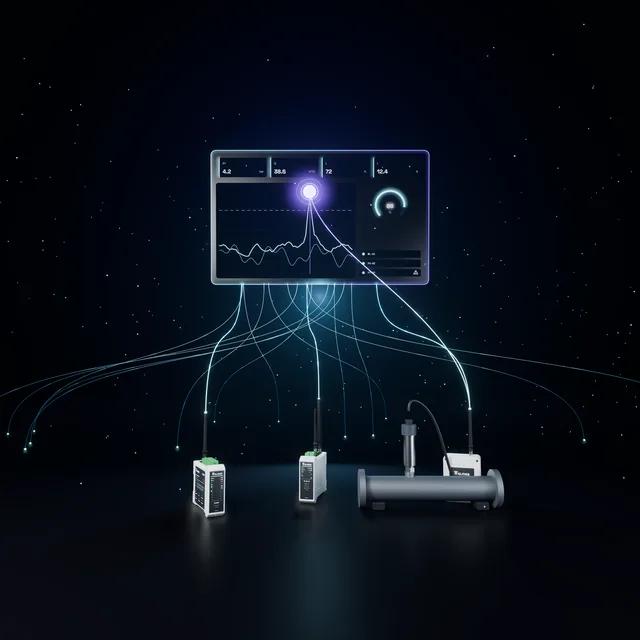
Telemetry & Process Intelligence
Field data into semantic memory, semantic memory into decisions.
Early access / pilot
View details: Telemetry & Process Intelligence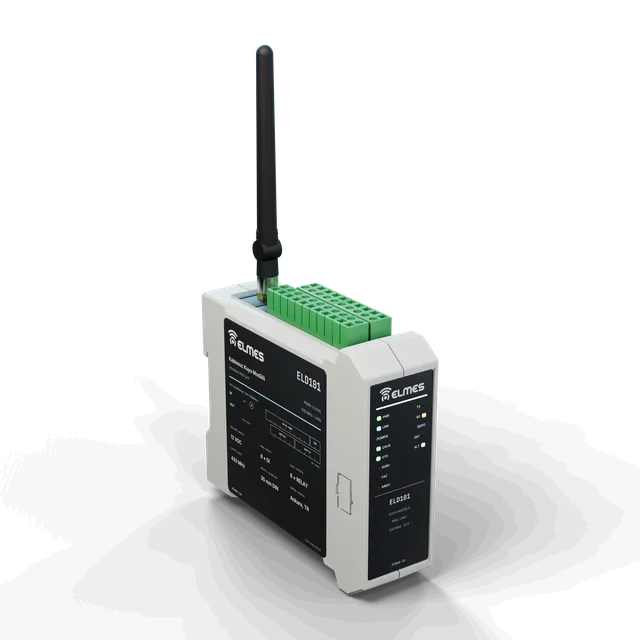 RF & Wireless Systems
Wireless Well-Tank Control System
No cable needed between pump and tank.
View details: Wireless Well-Tank Control System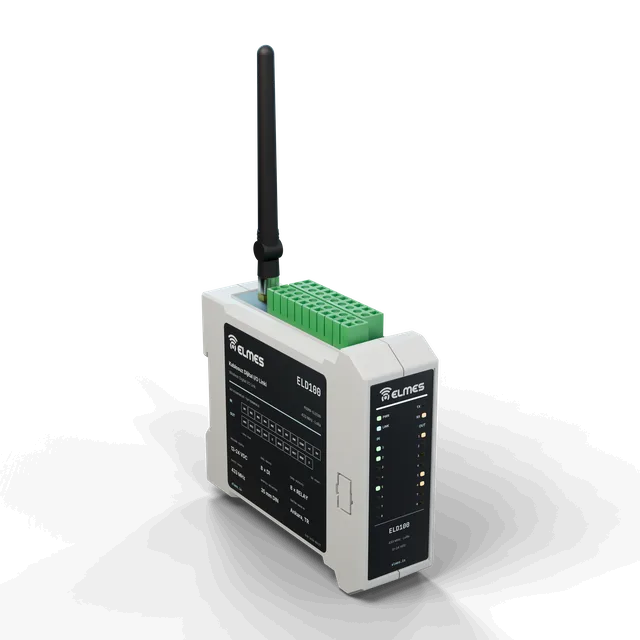 RF & Wireless Systems
Wireless Digital I/O Link — 8 Channels
8 relays, 8 inputs — replace the cable with RF.
View details: Wireless Digital I/O Link — 8 Channels